Since our inception in 2020, Connecticut River Valley Compost has been dedicated to crafting exceptional, nutrient-rich compost, initially serving exclusively wholesale clients.
Leveraging our extensive background in the landscape industry, we've honed our expertise to produce a premium compost that goes beyond mere soil amendment, focusing on delivering tangible nutritional benefits to lawns, plant beds, and gardens.
This season marks a significant milestone as we proudly open our doors to the general public, offering homeowners and gardening enthusiasts the same top-tier compost that professionals trust.
Experience the difference that meticulously crafted, organically-driven compost can make in revitalizing your landscape and fostering vibrant, healthy growth. Our commitment to quality ensures that every batch is rich in essential nutrients, promoting robust root development, improved water retention, and enhanced soil structure.
Discover the secret to thriving gardens with Connecticut River Valley Compost.
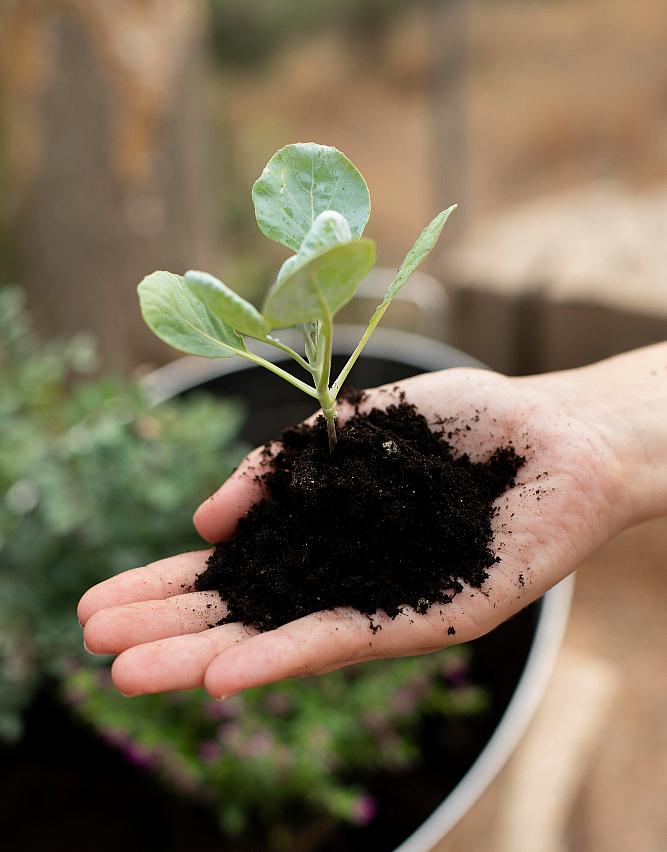
Composting is a controlled decomposition of organic materials. Over time and under the proper conditions, the decaying organic materials turn into a rich, nutrient packed fertilizer.
Yard waste, horse manure, leaves and pine shavings.
Our compost tests between a pH level of 6.4–6.7.
Our compost is screened down to 3/16".
Compost is good for plants. Compost will help build soil structure, retain moisture, increase soil organic matter and provide a slow release of nutrients important for plant growth.
Compost can be used for gardens, flower beds, potted plants and around trees & shrubs. Compost can also be incorporated into your soil during the growing season, for planting trees and shrubs, as well as top dressing for new lawns and lawn repairs.
Incorporating compost into the soil improves the physical, chemical and biological properties of the soil. Adding compost to soil increases the moisture holding capacity of sandy soils and improves the drainage & aeration of heavy, clay soils. Compost provides micronutrients to plants and in some cases, compost helps suppress plant diseases.
Soil provides a stable structure and a source of mineral nutrients. Compost improves the biological soil life and the availability of nutrients. Compost also amends the water retention and drainage characteristics of the soil. Combined, soil and compost tend to create a better environment for growing most plants.
Compost cannot be used as a direct replacement for fertilizer. It is, however, an excellent soil conditioner but there are not enough nutrients present in the compost to supply the needs of vegetable crops and ornamental plants. Fertilizer is recommended depending on the nutrient requirements of your plants and the nutrient status of your soil.
Compost does provide needed plant nutrients, but this occurs in small doses gradually over the course of the growing season. If your soil is particularly barren, you may want to supplement with other types of fertilizer. Your best bet is to have the soil tested, then make your decision based on the test results and your intended plantings.
Composting can generate heat up to 180° F in the compost piles with optimum conditions occurring at 140–165° F. This will pasteurize the compost in the process, generally killing any pathogens (or weed seeds) that might have been present in the raw material.
Here’s why you should choose Connecticut River Valley Compost for your gardening and landscaping needs:
Experience the difference that meticulously crafted, nutrient-rich compost can make in revitalizing your landscape.
Schedule a Delivery Today
Thank you! Your request has been sent. We will contact you shortly.
